Aina Barcelona: how integrating their ecommerce with Holded revolutionized their operations
Discover how Aina Barcelona automated their invoicing and synced inventory by connecting their online store with Holded, saving 3 hours per week.

Jewelry designed and handcrafted in Barcelona with exceptional attention to detail.
For Aina Barcelona, an online jewelry store with two physical shops in Barcelona that is constantly expanding its online presence, integrating an ERP has been a turning point.
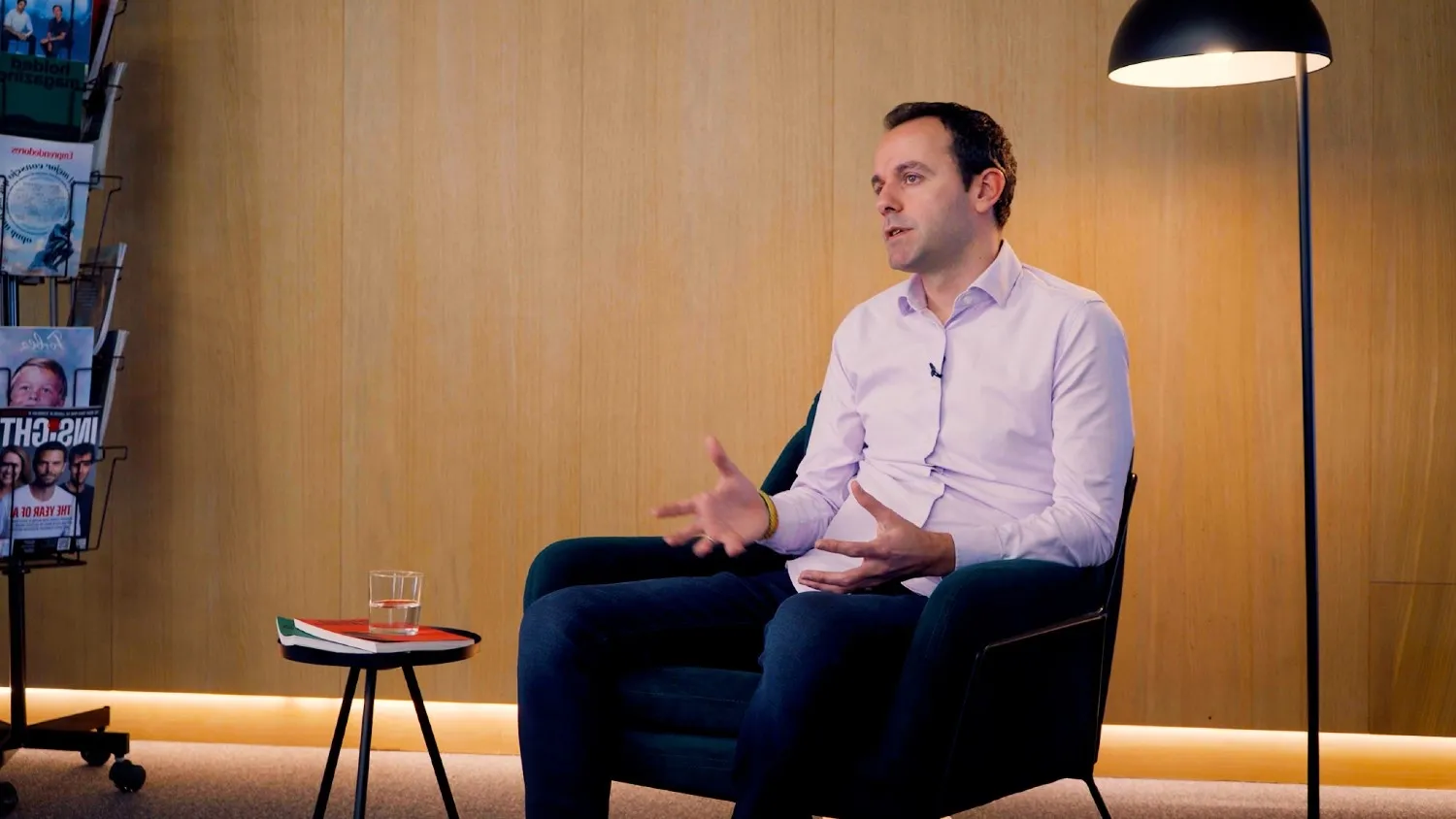
In this interview, Marc Ministral, COO of Aina Barcelona, explains how connecting their online store with Holded has revolutionized their operations, from automating invoices to syncing sales and inventory data in real time.
What is the main benefit of having your online store connected to your invoicing software?
The main benefit is about the time wasted transferring data from one place to another. Once you have this properly connected, you can do so many more things, like tagging sales correctly for later analysis or setting up inventory so you can manage everything from Holded.
What do you think are the essential steps to connect your online store with an ERP?
To connect your online store with an ERP, it's very important to know your business well and work hand in hand with the right partners. In this case, it would be Holded developing the connection. I recommend focusing first on getting the connection to work. Usually, problems arise when you try to cover too much at the beginning.
I'd recommend making a simple connection in a test environment and, from there, comparing what fails against your real accounting. Once you've found the exceptions, pass them on to the developer so they can apply the fixes. Repeat this a few times until your old manual method and the new automated one are equal or even better than before. Of course, this is in an ideal world: usually there's more urgency and everything gets done a bit faster, haha!
What has been the most significant impact of having the ERP integrated into your online store's daily operations?
Well, the impact has been enormous. Going from losing 3 hours every week converting CSVs to Excel, transforming them so they'd upload correctly to Holded, fixing errors, etc., to having everything automated so I can focus on things that truly matter instead of moving data from one place to another.
What key processes have been automated thanks to the ERP integration, and how has this affected Aina Barcelona's operational efficiency?
The key processes for me have been automating sales invoices from the online platform. As I mentioned before, automating the exceptions as well. In our case there are several, but to give examples:
We also manage POS sales there, and it used to take a lot of time separating online invoices from store invoices, since they need different numbering sequences. European VAT rates, which differ by country. Payment methods already linked to their accounts.
How do you ensure that data synchronization between the online store and the ERP is accurate and timely?
I make sure it works by reconciling the banks every day. Like many ecommerce businesses, we have many payment methods, so the way to know that invoices have been processed correctly is to reconcile each bank we use.
How has Holded's integration supported Aina Barcelona's growth, enabling you to handle a higher volume of sales and operations?
It has been essential. We couldn't have gotten where we are without Holded, and I'm sure it will help us even more in the future. The great thing about being on a platform like this is that it feeds on customer feedback, and when they make improvements, they help other companies understand what's important or learn to use other features to take their business to the next level.
What have been the main challenges in integrating the ERP with ecommerce, and how have they been overcome?
The main challenges have been, on one hand, the technical ones. When you get into slightly more complex businesses where, for example, you invoice from different platforms or have physical stores, the person doing the integration is critical. You need to trust them, they need to work well and understand connections between platforms.
And then the transition period between before and after. Whenever there's a change, even if it's for the better, at the beginning both methods coexist and it usually creates more work for a while, so internally you need to understand clearly that it's for the better.
How do you plan to continue using and evolving Holded to adapt to new ecommerce trends and sustain growth?
I think the key is automation and having all the information at hand, verified in one place. Being able to trust the data. Now I feel confident with Holded to open a new marketplace because I know it won't be too complicated to connect it to the ERP. This is key to being able to consider growth opportunities without them requiring a huge management effort.
I'm sure that in the coming years we'll see major advances with AI. I already know of several companies using AI to input purchase invoices directly into Holded without spending a single second in the inbox. I think everything will become easier when Holded rolls out advances like these, where you only need to confirm that everything is correct rather than copying and pasting data from one place to another. Of course, we'll always need to verify everything, but with less time we'll be able to do much more.