Study on SME digitalization
How digitalized are SMEs in Spain? (2022)
Analysis of the online presence and level of digitalization of Spanish SMEs in 2022.
Introduction
This study provides an in-depth analysis of the online presence and digital transformation process of SMEs in Spain. The data reveals a mixed picture: while some businesses have taken firm steps toward digitalization, a significant proportion continues to fall behind.
State of digitalization
Digital presence
One of the most striking findings of the report is that 26% of Spanish SMEs still have no digital presence. This means more than one in four small and medium-sized enterprises lacks a website, social media profiles, or other digital channels.
Investment in digital transformation
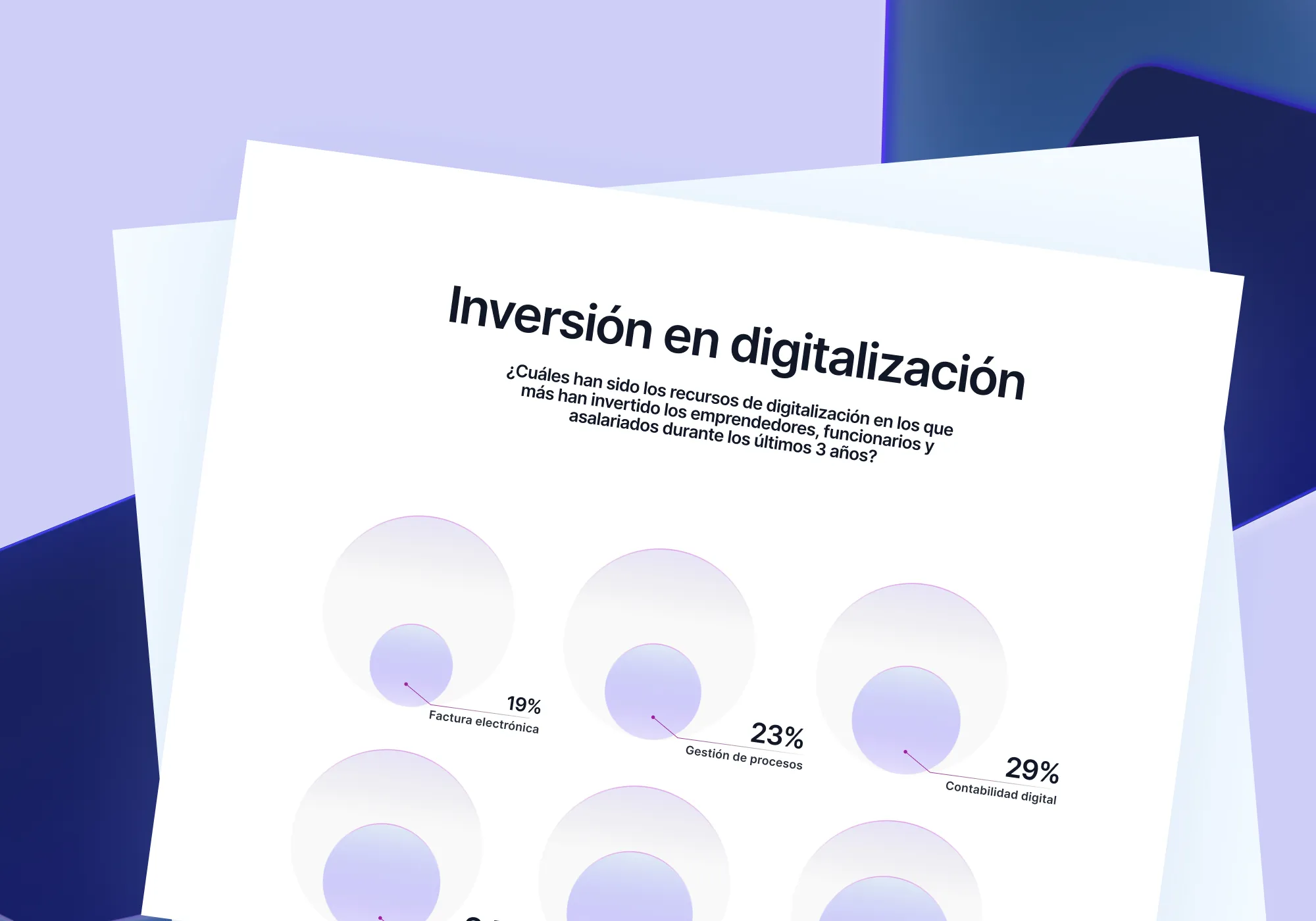
Investment in digitalization remains insufficient for a large portion of the business fabric:
- Many SMEs invest less than 10% of their budget in digital transformation.
- This low investment represents a competitive disadvantage compared to larger companies and international competitors.
Perceived benefits of digitalization
SMEs that have advanced in their digital transformation identify three main benefits:
- Streamlined processes: reduced time spent on administrative and operational tasks.
- Improved productivity: greater efficiency in day-to-day business management.
- Increased profitability: cost optimization and access to new revenue streams.
Online sales and new channels
E-commerce leads the digital transformation of Spanish SMEs:
- More than 70% of SMEs selling online do so through their own website, choosing proprietary channels over third-party marketplaces.
- Social media is consolidating its role as a complementary channel for sales and customer acquisition.
However, the gap between businesses already selling online and those that still have no digital presence remains considerable.
Regulatory impact: the Crea y Crece Act
The report highlights the Crea y Crece Act as a catalyst for business digitalization in Spain. This legislation introduces obligations such as mandatory electronic invoicing, which forces SMEs to adopt digital tools to comply with the new legal requirements.
Implications for SMEs
- Need to adopt electronic invoicing software.
- Modernization of accounting and administrative processes.
- Opportunity to integrate comprehensive management tools (ERP) that digitalize the entire business operation.
Conclusions
The study makes clear that, although digitalization is progressing, the pace is insufficient for a significant portion of Spanish SMEs. The combination of low investment, lack of digital presence, and new regulatory demands creates a scenario where digital transformation is no longer optional but a competitive and legal necessity. SMEs that embrace digitalization will be better positioned to grow, compete, and adapt to market changes.
Download the full report
Access all the data, charts, and conclusions from the study.